
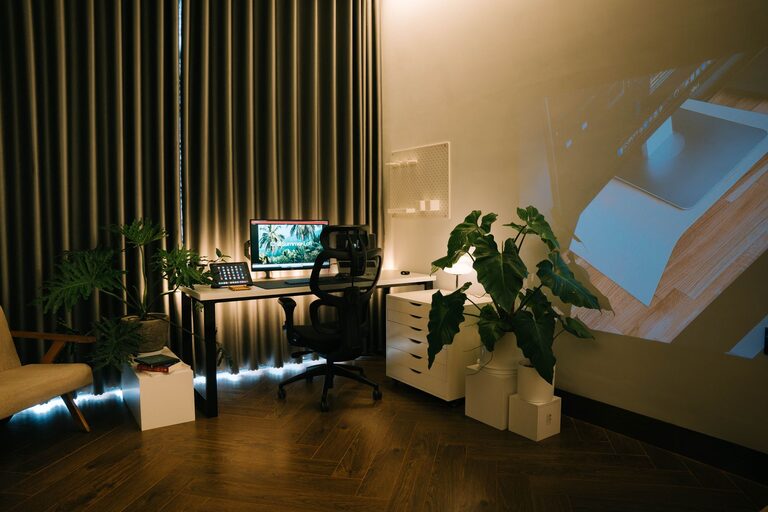
Creating a relaxing home workspace is essential for maintaining productivity and well-being, especially when working remotely. Your work environment greatly influences your mood, concentration, and overall comfort. If your workspace feels cluttered or chaotic, it can increase stress and make it harder to focus. Fortunately, with a few thoughtful adjustments, you can design a home office that promotes relaxation and efficiency.
In this post, we’ll explore practical steps to create a calming workspace where you can enjoy working while staying focused and inspired.
Why a Relaxing Workspace Matters
Before diving into the how-to, let’s understand why your workspace’s atmosphere is so important. A relaxing environment helps:
– Reduce mental fatigue and stress
– Improve concentration and creativity
– Encourage a positive work-life balance
– Enhance overall productivity and satisfaction
When your surroundings are inviting and comfortable, it’s easier to stay motivated and avoid burnout.
Step 1: Choose the Right Location
Finding the perfect spot for your workspace is the first step. Ideally, select a quiet corner or room with minimal distractions. Consider these tips:
– Use a room with a door you can close to signal work time.
– Avoid high-traffic areas to minimize interruptions.
– If space is limited, a dedicated desk in a cozy nook can work well.
Make sure the space feels private and peaceful, helping you mentally shift into work mode.
Step 2: Maximize Natural Light
Natural light has a powerful impact on mood and energy levels.
– Position your desk near a window if possible.
– Use sheer curtains to diffuse bright sunlight.
– Incorporate mirrors to reflect light and open up the space.
If natural light is limited, opt for full-spectrum or daylight bulbs to mimic natural sunlight and reduce eye strain.
Step 3: Invest in Comfortable Furniture
Comfort is key for a relaxing and productive workspace.
– Choose an ergonomic chair that supports your back.
– Get a desk with enough surface area for your essentials without clutter.
– Consider adjustable furniture to alternate between sitting and standing.
Comfortable furniture reduces physical discomfort, allowing you to focus longer without fatigue.
Step 4: Declutter and Organize
Clutter can create stress and distract you from your tasks. Keep your workspace tidy with these organization strategies:
– Use trays, baskets, or drawer organizers to keep supplies sorted.
– Limit decor to a few meaningful or calming items.
– Create a daily routine to clear your desk at the end of each day.
A clean, organized desk invites calm and makes it easier to find what you need.
Step 5: Add Soothing Colors and Decor
The colors and decor in your workspace influence your mood and concentration.
– Choose soft, neutral colors like light blues, greens, or grays to promote calmness.
– Incorporate plants to bring a touch of nature indoors; they improve air quality and boost mood.
– Use artwork or photos that inspire positivity and relaxation.
Avoid overly bright or busy patterns that might overwhelm your senses.
Step 6: Manage Noise Levels
Noise can be a major distraction. Here’s how to create a quieter environment:
– Use noise-canceling headphones or white noise machines if needed.
– Add soft textiles like rugs, curtains, or cushions to absorb sound.
– Consider playing gentle background music or nature sounds.
A peaceful sound environment helps maintain focus and reduces stress.
Step 7: Personalize Your Space Mindfully
While personalization is important, balance is key to avoid clutter.
– Include items that make you happy, like a favorite mug or a small collection.
– Avoid overloading your space with too many personal items.
– Keep essentials within reach to reduce unnecessary movement.
Personal touches create a sense of ownership and comfort without sacrificing professionalism.
Step 8: Keep Technology Organized
Technology is vital for work but can clutter your space if not managed well.
– Use cable organizers to keep cords neat and untangled.
– Keep your computer and devices clean and free of dust.
– Position screens to reduce glare and maintain good posture.
Well-maintained tech reduces stress and technical distractions.
Step 9: Incorporate Break Areas
If space allows, create a small area separate from your desk for breaks.
– Use a comfy chair or floor cushion.
– Add a small table for your tea or a book.
– Use this space to step away mentally and physically during breaks.
Regular breaks in a calming space help refresh your mind and improve overall productivity.
Final Thoughts
Designing a relaxing home workspace doesn’t require a complete overhaul. By focusing on comfort, organization, lighting, and personal touches, you can create a peaceful and inspiring environment conducive to productive work. Take the time to arrange your space thoughtfully—you’ll likely notice a boost in your mood and focus that lasts throughout the day.
Remember, the goal is to create a workspace that feels welcoming and supports your best work habits. Start with small changes and adjust as you learn what helps you relax and thrive. Happy decorating!