
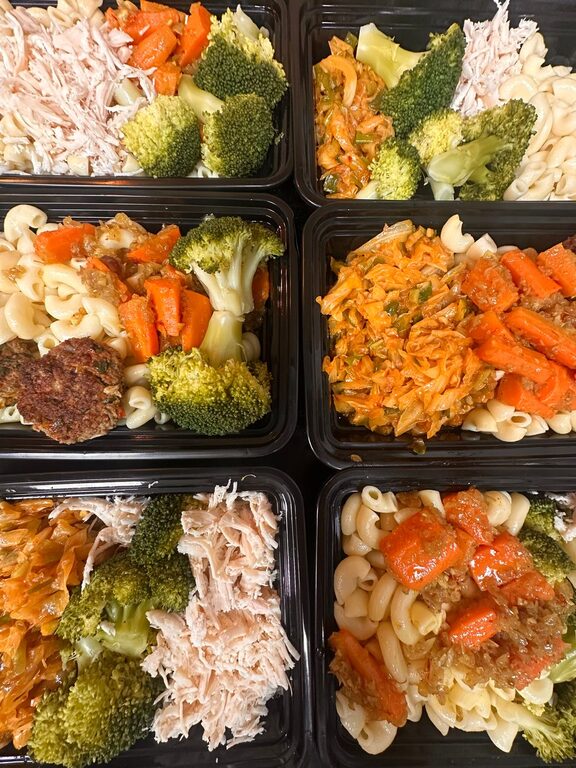
Creating a weekly meal plan can transform the way you approach meals. It helps you save time, reduce stress, avoid last-minute food decisions, and eat healthier. Whether you’re cooking for yourself, a family, or roommates, a simple meal plan sets you up for success throughout the week.
In this post, we’ll walk through how to create a straightforward weekly meal plan that fits your lifestyle, budget, and preferences. Let’s get started!
Why Create a Weekly Meal Plan?
Before diving into the how, it’s helpful to understand the benefits of meal planning:
– Saves Time: Knowing what you’ll cook each day reduces daily decision-making.
– Reduces Food Waste: Planning helps you buy just what you need.
– Saves Money: You avoid impulse buys by shopping with a list.
– Encourages Balanced Eating: Planning lets you include a range of nutrients.
– Cuts Stress: Less worry about “What’s for dinner?” every evening.
Step 1: Assess Your Week Ahead
Start by looking at your calendar for the upcoming week. Consider:
– How many meals you need to prepare.
– Which days you have less time to cook.
– Any social events or meals out.
– Opportunities for leftovers or batch cooking.
Knowing your schedule helps you plan meals that match your availability.
Step 2: Gather Your Recipes and Ideas
Collect simple, favorite recipes that you and your household enjoy. Keep it easy at first—think one-pot meals, sheet pan dinners, salads, or slow cooker dishes.
If you need inspiration, browse cooking websites, apps, or cookbooks for beginner-friendly meals. Focus on recipes with similar ingredients to simplify shopping.
Step 3: Choose Your Meal Format
Decide how you want to plan your meals:
– Breakfast, lunch, and dinner: Plan all meals if you cook them all.
– Dinner only: Plan just dinner if you eat other meals on your own.
– Batch cooking days: Include days where you make larger portions for leftovers.
Start with dinner if meal planning feels overwhelming, then expand.
Step 4: Create the Weekly Meal Grid
Use a notebook, spreadsheet, or printable meal planner template. Write the days of the week across the top and meal times down the side.
Fill in meals based on your recipes and schedule. For example:
– Monday: Spaghetti with marinara and salad
– Tuesday: Grilled chicken with roasted veggies
– Wednesday: Leftover spaghetti
– Thursday: Stir-fry with rice
– Friday: Homemade pizza
– Saturday: Slow cooker chili
– Sunday: Roast with potatoes and greens
Include snacks or prep tasks if you like.
Step 5: Make a Shopping List
Look over your meal plan and write down all needed ingredients. Group items by category (produce, dairy, pantry, etc.) to make shopping easier.
Check your kitchen first to avoid buying duplicates. Keep your shopping list handy on your phone or paper during grocery trips.
Tips for Simple Meal Planning Success
1. Keep It Flexible
Plans don’t have to be rigid. If you want to swap meals or order takeout one night, that’s okay! The goal is to reduce stress, not add to it.
2. Include Leftovers and Batch Cooking
Prepare extra servings to use for lunches or dinners later in the week. This approach saves cooking time and reduces food waste.
3. Prioritize Balanced Nutrition
Aim to include vegetables, proteins, and whole grains in your meals. Even simple swaps, like adding a side salad, boost nutrition.
4. Use Theme Nights
Assign themes like “Meatless Monday” or “Taco Tuesday” to simplify choices and keep things fun.
5. Prep in Advance
Chop veggies, marinate proteins, or cook grains ahead of time to streamline meal prep on busy days.
Common Mistakes to Avoid
– Overcomplicating the plan: Start simple to build confidence.
– Ignoring your schedule: Don’t plan elaborate meals on hectic days.
– Buying too many ingredients: Stick to the list to reduce waste.
– Forgetting to update your plan: Adjust as needed if circumstances change.
Final Thoughts
A simple weekly meal plan doesn’t have to be complicated or time-consuming. By assessing your week, choosing easy recipes, and preparing a flexible schedule, you can enjoy homemade meals with less hassle. Remember, meal planning is about making life easier and eating well—not perfection.
Start small, stay consistent, and tweak your plan to what works best. Soon enough, meal planning will feel like second nature, and you’ll wonder how you ever managed without it!
—
Happy meal planning!